Therapy for PTSD


A mind-body, psychospiritual, and energetic approach to help you resolve your problems at their core.

You don’t have to relive it forever. PTSD therapy helps you move forward, safely
What Is PTSD?
Post-Traumatic Stress Disorder (PTSD) is a condition that can develop after experiencing or witnessing a traumatic event. For some, the impact is immediate; for others, symptoms surface months or even years later. PTSD often involves re-experiencing the trauma through flashbacks or nightmares, avoiding reminders of the event, and feeling constantly on edge (hypervigilance). Over time, these symptoms can interfere with relationships, work, and overall quality of life.
PTSD Symptoms That Therapy Can Help With
Specialized trauma therapy can provide support for:
-
Flashbacks and intrusive thoughts
-
Panic attacks and anxiety
-
Nightmares and disrupted sleep
-
Emotional numbness or detachment
-
Irritability, anger, or mood swings
-
Hypervigilance (always “on guard”)
-
Difficulty trusting others or maintaining relationships
-
Guilt, shame, or self-blame

Our Approach to Healing
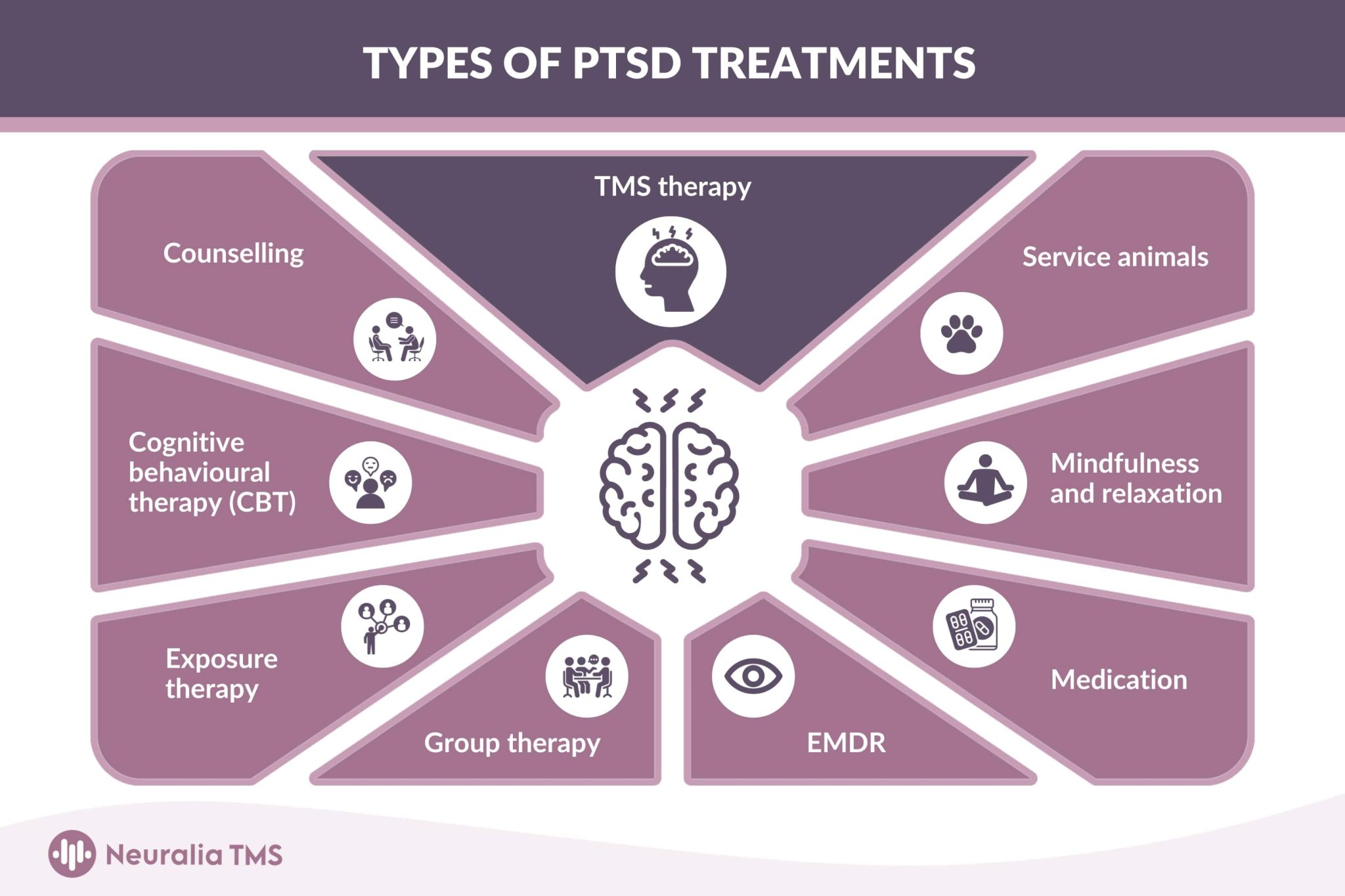
We use evidence-based therapies designed to address the emotional, psychological, and physical impact of trauma:
-
EMDR Therapy: Eye Movement Desensitization and Reprocessing helps the brain reprocess traumatic memories so they lose their emotional charge.
-
Trauma-Focused CBT (CPT Therapy): A structured approach that helps shift unhelpful thought patterns related to trauma.
-
Somatic Therapy: Mind-body techniques that address how trauma is stored in the body, restoring a sense of safety and calm.
Together, these approaches address trauma at its core, helping you regain control, reduce symptoms, and move toward healing.
Therapy for Veterans, Survivors, and Complex Trauma
Our practice provides trauma therapy for:
-
Veterans coping with combat-related trauma
-
Survivors of abuse, violence, or accidents
-
Individuals with complex PTSD who have endured prolonged or repeated trauma
Every healing journey is unique. We meet you where you are, with compassion and tools tailored to your experience.
What Does a PTSD Therapy Session Look Like?
PTSD therapy isn’t one-size-fits-all, but sessions often follow these stages:
1. Discovery – Your therapist helps you identify your goals and clarify how trauma is showing up in your life.
2. Preparation – Together, you build coping tools and create a sense of safety before addressing the trauma itself.
3. Processing – With approaches like EMDR, CPT therapy, or somatic work, you begin reprocessing trauma and reducing its emotional impact.
4. Integration – You connect new insights and coping skills to daily life.
5. Growth – With continued support, you strengthen resilience, self-compassion, and healthier relationships.
What therapy is most effective for PTSD?
Evidence shows that therapies like EMDR, Cognitive Processing Therapy (CPT), and trauma-focused CBT are among the most effective for PTSD.
Is EMDR good for PTSD?
Yes. EMDR is a leading treatment for PTSD because it helps the brain reprocess traumatic memories in a safe and structured way, reducing distress and emotional intensity.
Do I need a diagnosis to get help?
No. You don’t need an official diagnosis of post-traumatic stress disorder to start therapy. If you’re struggling with symptoms of trauma—whether from a single event or ongoing experiences—you deserve support.